Mummification Museum: A Unique Journey Into Ancient Egyptian Secrets
The Mummification Museum in Aswan is one of Egypt’s most intriguing yet underrated attractions. Unlike massive temple complexes, this museum focuses entirely on one of ancient Egypt’s most mysterious and fascinating practices — mummification.
Located along the Nile Corniche in Aswan, the museum offers visitors a rare chance to understand the sacred rituals, scientific precision, and spiritual beliefs behind preserving the dead in ancient Egypt.
If you’re planning a cultural tour in Aswan, the Mummification Museum is a must-visit stop.
Why the Mummification Museum Is So Special
Many travelers visit temples and tombs, but few truly understand the complex embalming process that made mummies survive for thousands of years.
The Mummification Museum stands out because:
- It focuses exclusively on mummification
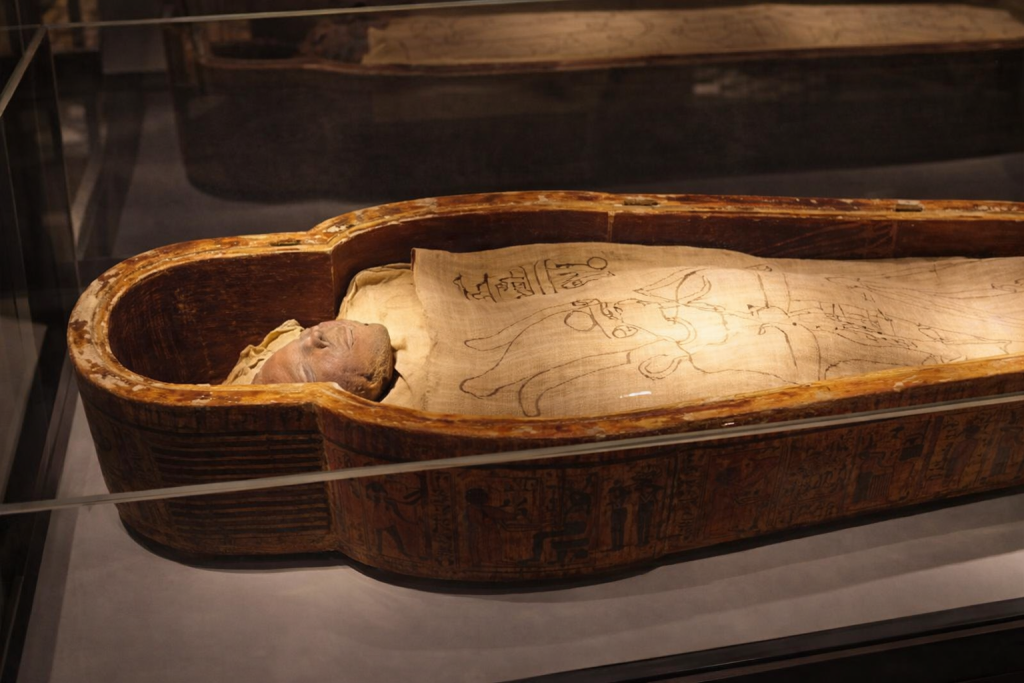
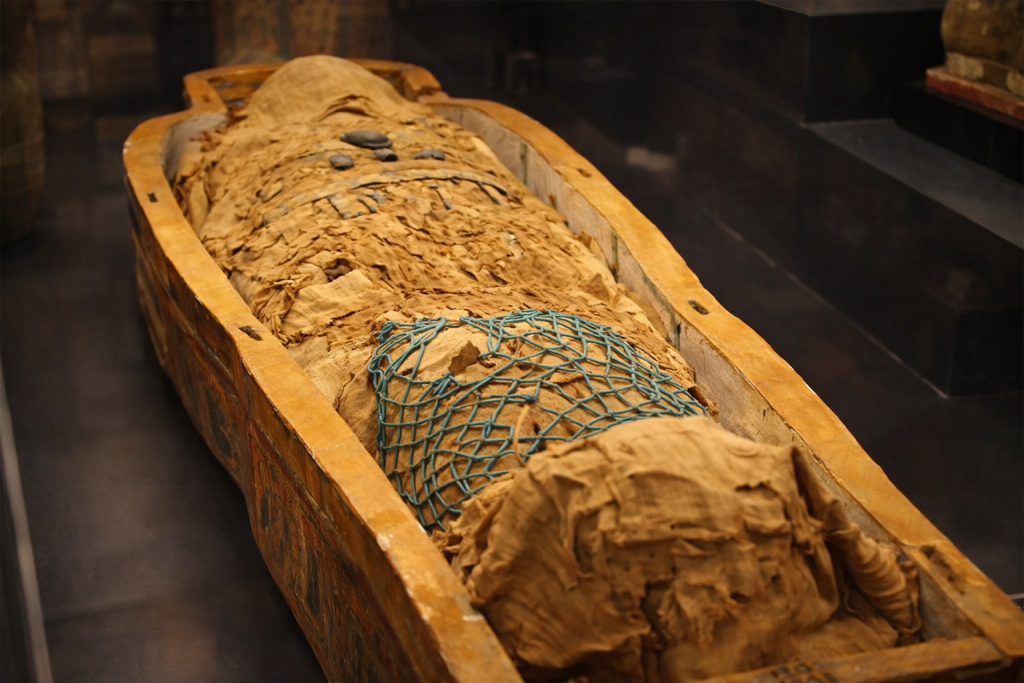
- It displays real mummies (human and animal)
- It explains tools and materials used in the embalming process
- It connects religion, science, and daily life in ancient Egypt
This makes it an essential educational experience for history lovers.
The History of the Mummification Museum
The museum was opened in 1997 to shed light on ancient Egyptian funerary practices. It was designed to present scientific and religious aspects of mummification in a clear and engaging way.
Unlike large museums filled with thousands of artifacts, this museum contains around 150 carefully selected pieces that tell a focused story.
What You Will See Inside the Mummification Museum
Human and Animal Mummies
One of the highlights of the Mummification Museum is the display of both human and animal mummies. Ancient Egyptians did not only mummify people — they also preserved sacred animals such as:
- Cats
- Crocodiles
- Birds
- Rams
These animals were often associated with specific gods.
Embalming Tools and Materials
Visitors can see original tools used during the mummification process, including:
- Bronze hooks used to remove the brain
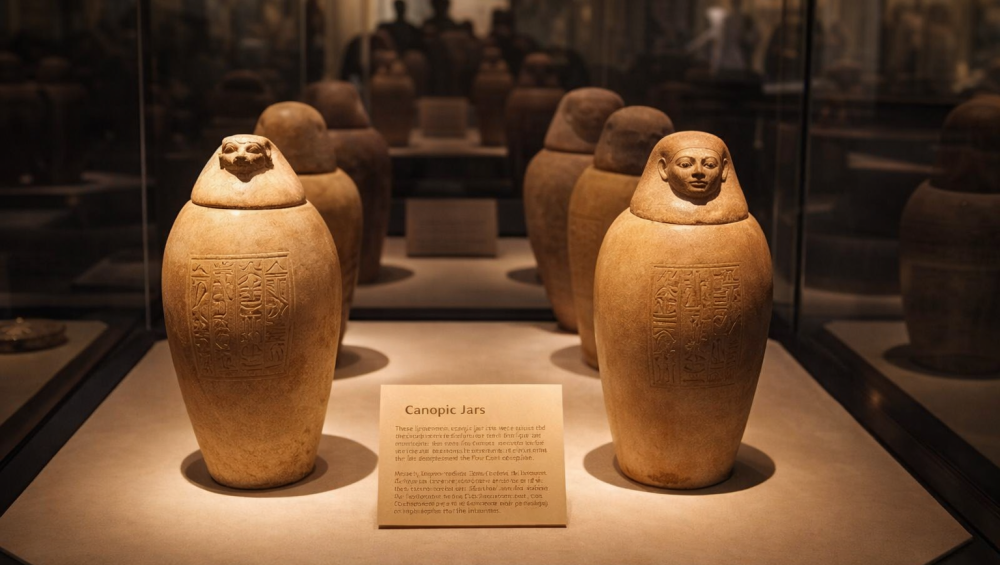
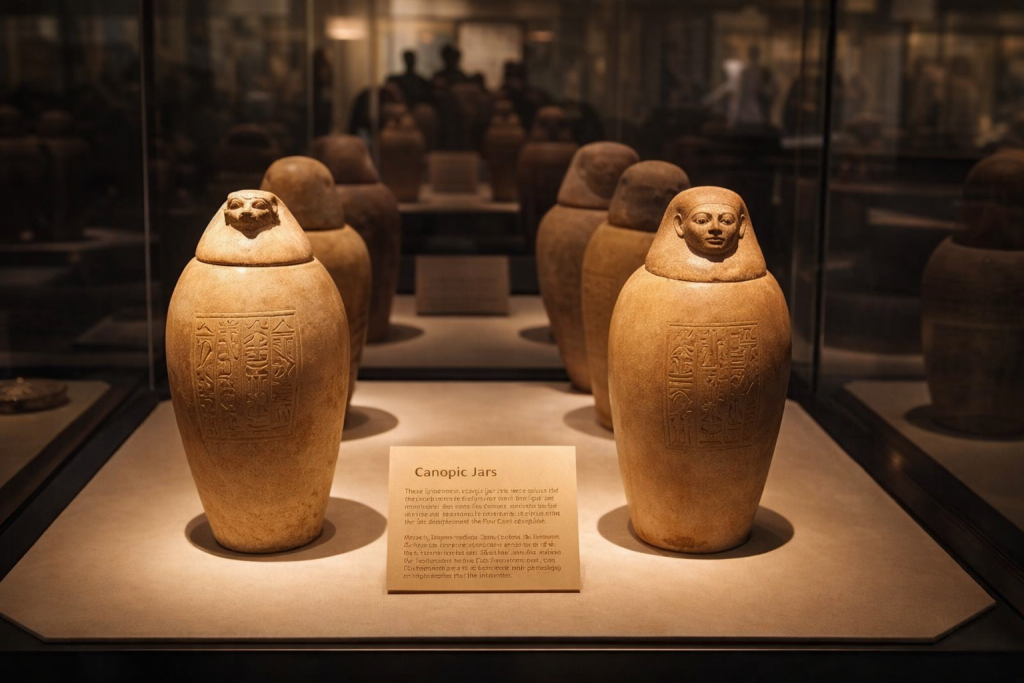
- Canopic jars for storing internal organs
- Natron salt used for drying the body
- Linen bandages for wrapping
The museum clearly explains each step of the 70-day mummification process.
Religious Beliefs Behind Mummification
Mummification was deeply connected to the ancient Egyptian belief in the afterlife. Egyptians believed that preserving the body allowed the soul (Ka and Ba) to reunite after death.
The museum also displays statues and inscriptions related to Osiris, the god of the afterlife.
Where Is the Mummification Museum Located?
The museum is located in Aswan, along the Nile Corniche, near the city center. Its convenient location makes it easy to combine with visits to:
- Philae Temple
- The Nubian Museum
- Elephantine Island
It’s perfect for a half-day cultural exploration.
Visiting Information and Travel Tips
Here are important details for visitors:
- Location: Nile Corniche, Aswan
- Duration of visit: 1–2 hours
- Best time to visit: Morning or late afternoon
- Ideal for: Families, students, history lovers
Photography may be restricted inside, so always check rules before taking pictures.
Why You Should Add the Mummification Museum to Your Egypt Itinerary
If you want to truly understand ancient Egyptian civilization, you must understand mummification.
The Mummification Museum gives you:
- Scientific knowledge
- Cultural insight
- Religious understanding
- A close look at real artifacts
It transforms what many people see as a “mystery” into a fascinating and logical ancient science.
Final Thoughts
The Mummification Museum is one of Aswan’s hidden treasures. Small but powerful, it offers a deep dive into one of the most iconic traditions of ancient Egypt.
Whether you are a first-time visitor or a history enthusiast, this museum provides an unforgettable educational experience that brings ancient Egyptian beliefs to life.
These canopic jars were far more than simple containers. In ancient Egyptian belief, they played a vital role in the journey to the afterli
\