Elephantine Island – The Timeless Jewel of Aswan
Located in the heart of the Nile River in Aswan, Elephantine Island is one of Egypt’s most captivating archaeological and cultural treasures. This ancient island holds thousands of years of history, blending Pharaonic, Nubian, and even Jewish heritage into one extraordinary destination.
Unlike the grand temples of Abu Simbel or Philae, Elephantine Island offers something more intimate and authentic. It allows visitors to walk through layers of civilization, from the Old Kingdom to the Greco-Roman period, all while enjoying breathtaking Nile views.
For travelers exploring Aswan, Elephantine Island is not just a stop — it is a journey into Egypt’s southern frontier history.
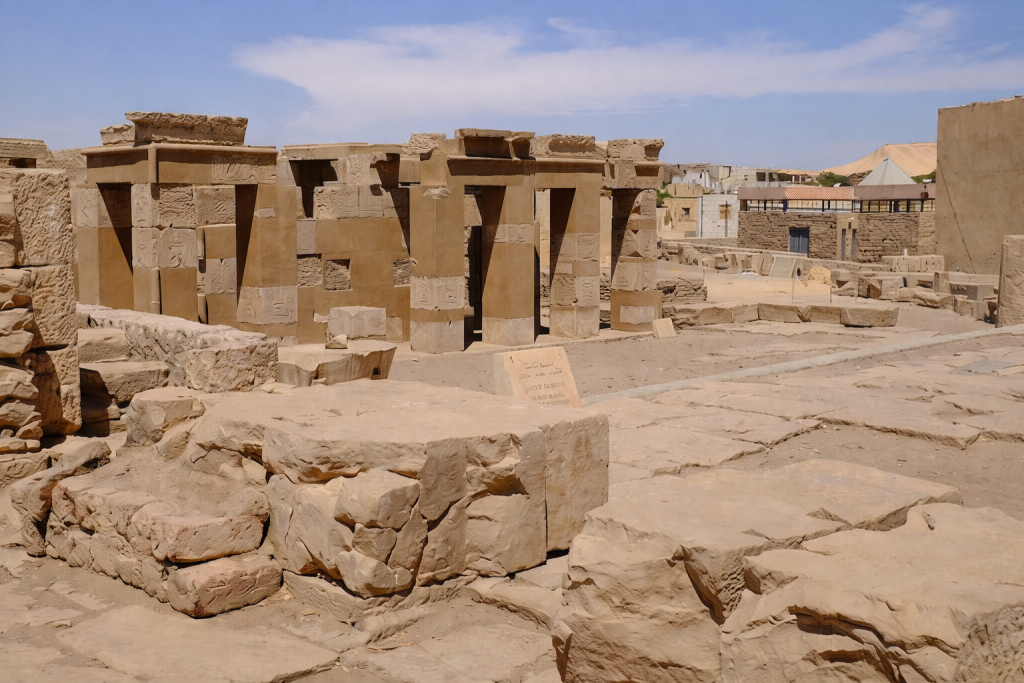
Where Is Elephantine Island Located?
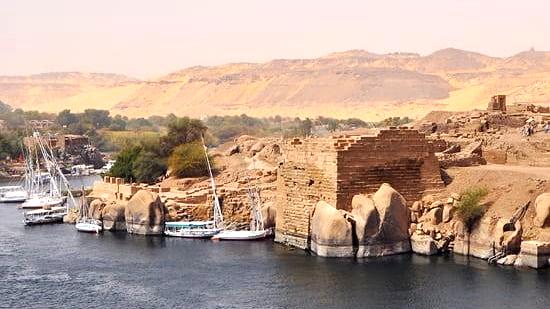
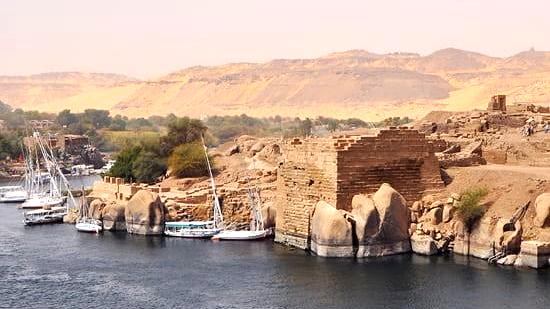
sits in the Nile River directly opposite the city of Aswan in southern Egypt. The island stretches approximately 1.2 kilometers in length and about 400 meters in width.
It was historically positioned at Egypt’s southern border near Nubia, making a strategic military and trading center in ancient times.
Why Is It Called Elephantine Island?
There are several fascinating theories behind the name:
- The island’s shape resembles an elephant tusk.
- The area was once a major center for ivory trade.
- Granite boulders near the riverbanks resemble bathing elephants.
The ancient Egyptian name of the island was “Abu” or “Yebu,” meaning “Elephant.”
The Powerful Historical Importance of Elephantine Island
was more than just a settlement — it was a fortified frontier city guarding Egypt’s southern border.
During the Old Kingdom, the island served as:
- A military stronghold
- A customs and trading post
- A religious center dedicated to the ram-headed god Khnum
Because of its location near the First Cataract of the Nile, controlled river traffic between Egypt and Nubia.
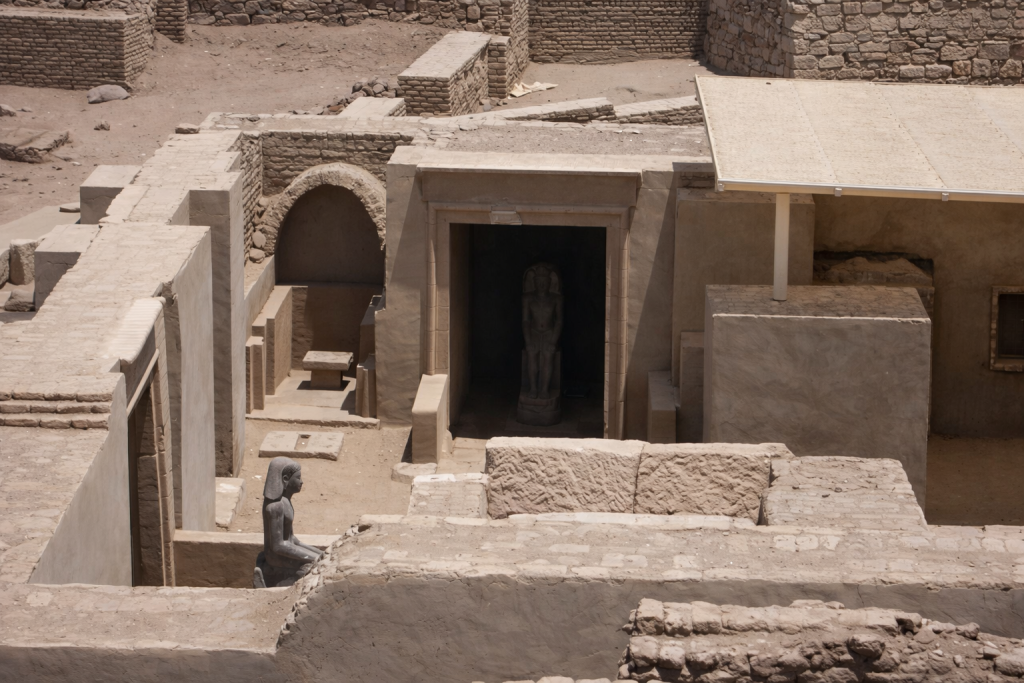
The Temple of Khnum – The Sacred Heart of Elephantine Island
One of the most significant structures was the Temple of Khnum.
Khnum was believed to be the god of the Nile’s source and the creator of humans, who formed people on a potter’s wheel.
Although much of the temple is now in ruins, archaeological remains show that:
- It dates back to the Old Kingdom.
- It was rebuilt during the Middle and New Kingdoms.
- It remained important during the Ptolemaic period.
Why Was Khnum So Important?
Because was associated with the Nile’s inundation, Khnum was considered the controller of the annual flood — the lifeline of ancient Egypt.
The Nilometer of Elephantine Island
One of the island’s most fascinating structures is the Nilometer.
A Nilometer was used to measure the water level of the Nile River. This measurement determined:
- Agricultural taxation
- Crop predictions
- Economic planning
The Elephantine Nilometer consists of stone steps descending into the river with measurement markings along the walls.
This structure proves how scientifically advanced ancient Egyptians were in managing natural resources.
The Temple of Satet – The Goddess of the Flood
Another major religious structure is the Temple of Satet.
Satet was the goddess of the Nile’s flood and protector of Egypt’s southern frontier.
Archaeological excavations reveal that:
- The earliest temple dates back to the Early Dynastic Period.
- The temple was rebuilt multiple times.
- It remained significant through the New Kingdom.
Satet was closely associated with Khnum and Anuket, forming the Elephantine Triad.
The Elephantine Triad – Khnum, Satet, and Anuket
Religious life revolved around three deities:
- Khnum (creator god)
- Satet (goddess of the flood)
- Anuket (goddess of the Nile)
Together, they represented the life-giving power of the Nile River.
Their worship made one of Upper Egypt’s most spiritually significant locations.
The Jewish Temple of Elephantine Island
One of the most surprising discoveries on Elephantine Island was evidence of a Jewish community during the 5th century BCE.
Archaeologists discovered papyri written in Aramaic that documented:
- A Jewish military colony
- A temple dedicated to Yahweh
- Daily life and legal contracts
These Elephantine Papyri provide rare insight into multicultural life in ancient Egypt during the Persian period.
Archaeological Discoveries on Elephantine Island
Excavations on Elephantine Island began in the 19th century and continue today.
Major discoveries include:
- Old Kingdom administrative buildings
- Middle Kingdom fortifications
- Ptolemaic temples
- Residential houses
German archaeological missions have played a key role in uncovering much of the island’s layered history.
Nubian Culture on Elephantine Island
Today, is home to vibrant Nubian villages.
Visitors can experience:
- Traditional Nubian houses painted in bright colors
- Handmade crafts
- Authentic Nubian cuisine
- Warm hospitality
This living culture adds another dimension to Elephantine Island’s appeal.
Why Elephantine Island Is a Must-Visit in Aswan
offers:
- A quieter alternative to crowded temples
- A deep historical experience
- Stunning Nile views
- Cultural immersion
Unlike major monuments, Elephantine Island allows visitors to explore freely and connect more personally with ancient history.
How to Visit
Visitors can reach Elephantine Island by:
- Local ferry boat
- Private motorboat
- Felucca ride
Best Time to Visit
The best time to explore Elephantine Island is between October and April when temperatures are cooler.
Morning visits are recommended to avoid midday heat.
Travel Tips for Exploring Elephantine Island
- Wear comfortable walking shoes.
- Bring water and sun protection.
- Combine your visit with Aswan Museum.
- Allow 2–3 hours for full exploration.
Elephantine Island vs Philae Temple – Which Is Better?
While Philae Temple is grand and visually dramatic, offers:
- Deeper archaeological layers
- Less crowded spaces
- Authentic Nubian life
- Unique Jewish historical remains
Each site has its charm, but delivers a powerful historical depth.
The Enduring Legacy of Elephantine Island
For over 4,000 years, Elephantine Island has witnessed:
- Pharaohs
- Persian rulers
- Greek influence
- Roman administration
- Nubian traditions
Few places in Egypt carry such a continuous and diverse historical record.
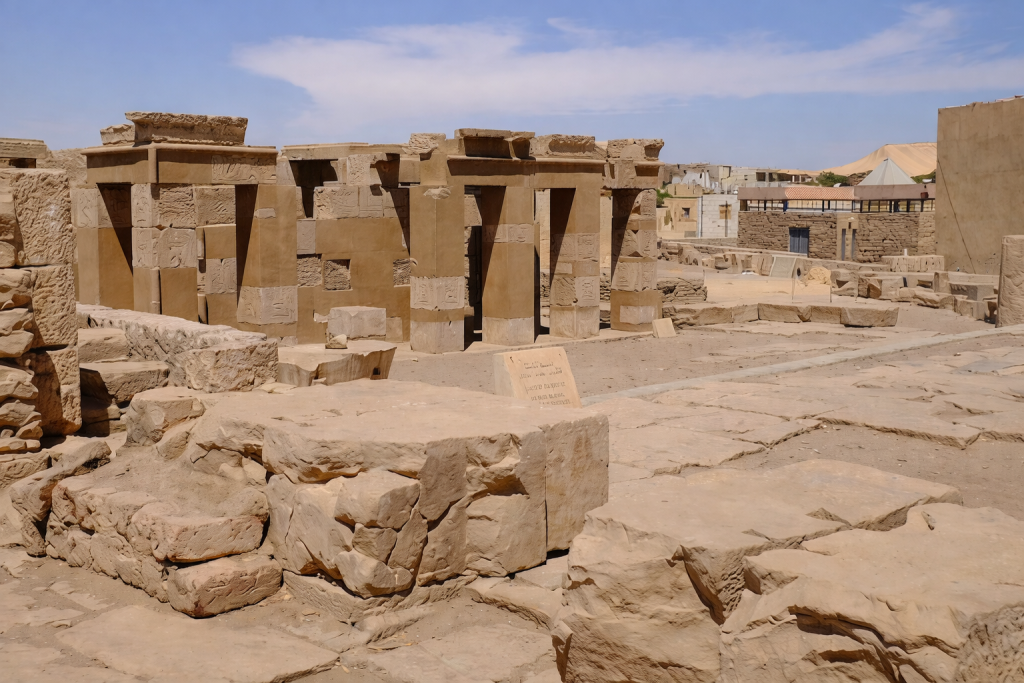
The Extraordinary Power of Elephantine Island
is not just an archaeological site — it is a living archive of Egypt’s southern frontier.
From the Temple of Khnum to the Nilometer, from Nubian villages to ancient papyri, offers an unforgettable journey through time.
For travelers seeking authenticity, depth, and breathtaking Nile scenery remains one of Aswan’s most powerful hidden treasures.