The Unfinished Obelisk in Aswan – Egypt’s Giant That Never Stood
The Unfinished Obelisk in Aswan is one of the most fascinating archaeological wonders in Egypt. Unlike other towering obelisks that stand proudly in temples and cities across the world, this massive granite monument never left the bedrock. It remains exactly where ancient workers carved it thousands of years ago.
Located in the ancient granite quarries of Aswan, this colossal structure gives us a rare and powerful glimpse into how the ancient Egyptians built their monumental masterpieces. The Unfinished Obelisk is not just a broken monument — it is a frozen moment in history, a living workshop that reveals secrets of engineering, ambition, and unexpected failure.
Where Is the Unfinished Obelisk Located?
The Unfinished Obelisk lies in the northern quarries of Aswan, southern Egypt. Aswan was famous in ancient times for its high-quality red granite, which was used to build temples, statues, pyramids, and obelisks throughout Egypt.
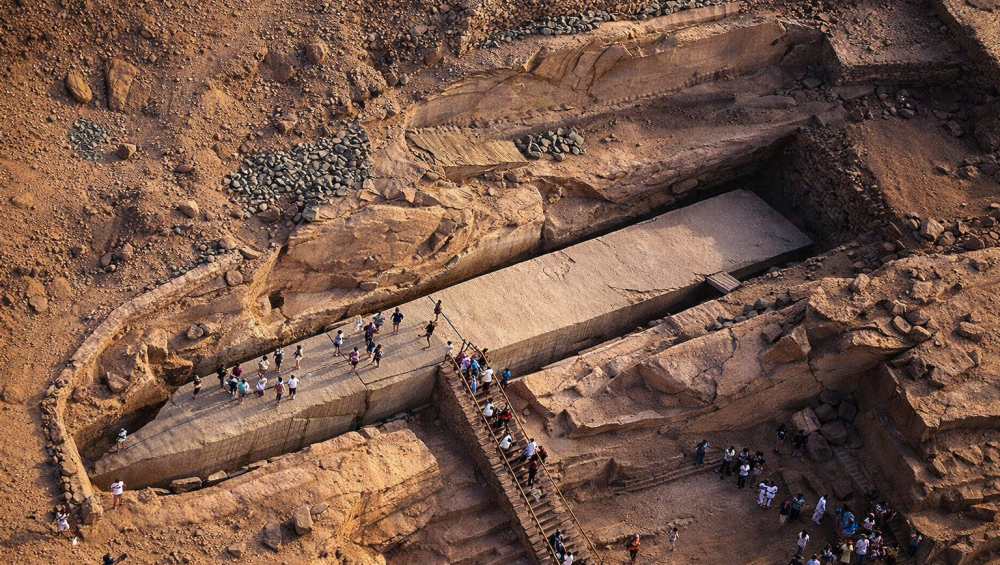
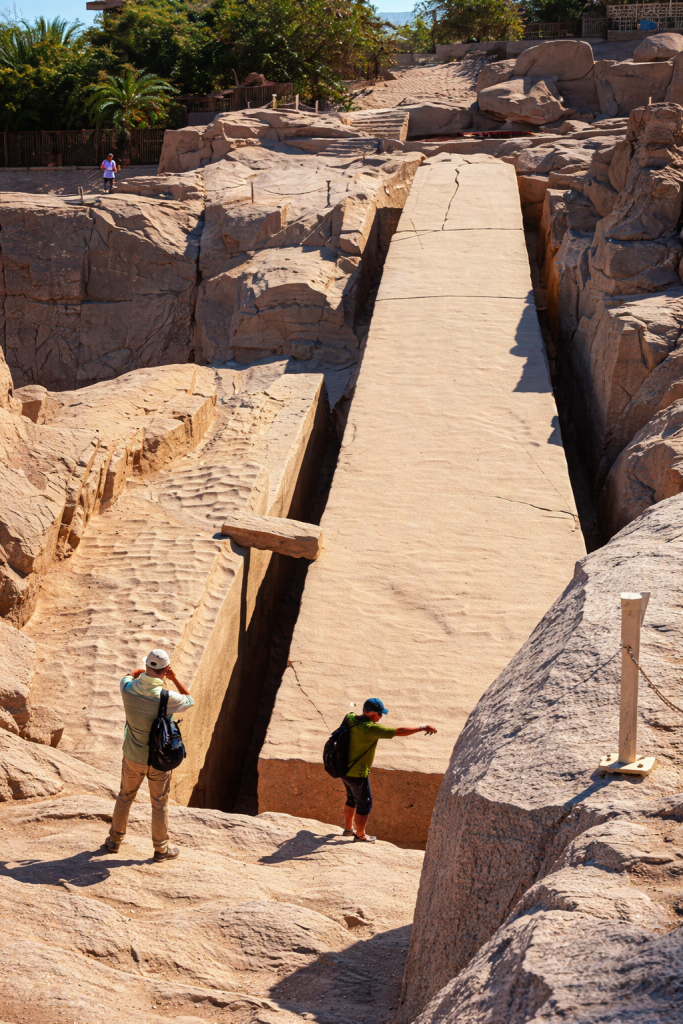
The site today is an open-air museum that allows visitors to walk around the massive stone and see the tool marks left behind by ancient workers. Unlike other monuments that were transported to temples like Karnak or Luxor, this obelisk never left the quarry.
What Is the Unfinished Obelisk?
The Unfinished Obelisk is the largest known ancient obelisk ever attempted. If completed, it would have measured approximately:
- 42 meters long (around 137 feet)
- 1,200 tons in weight
To put that into perspective, it would have been larger than any obelisk standing in Egypt today. Its size alone demonstrates the extraordinary ambition of ancient Egyptian architects.
Who Ordered the Unfinished Obelisk?
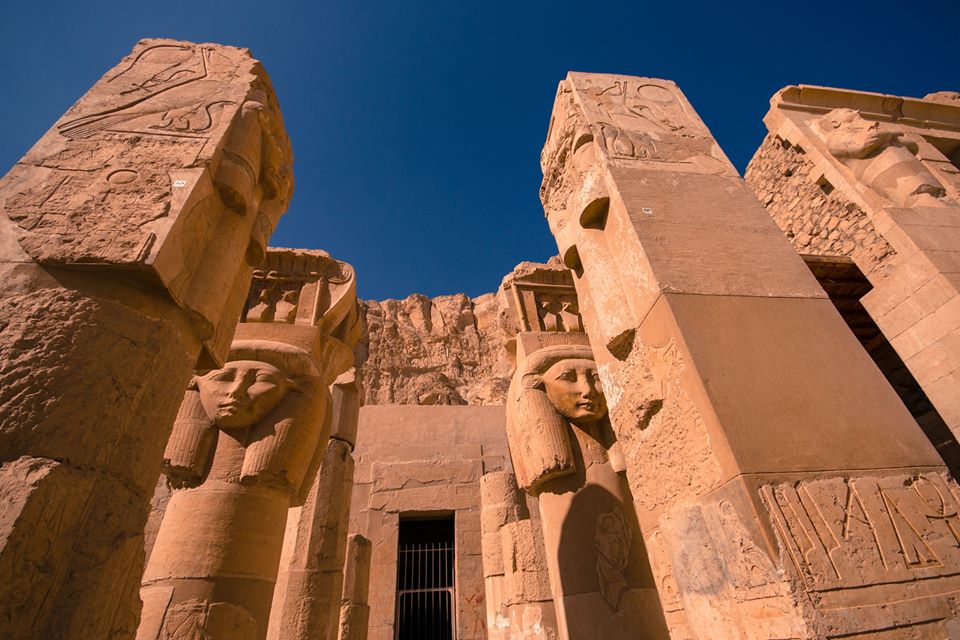
Most historians believe the obelisk was commissioned during the reign of Queen Hatshepsut in the 18th Dynasty (around 1470 BCE). Hatshepsut was one of the most powerful female pharaohs in Egyptian history.
She is known for constructing magnificent monuments, including obelisks at Karnak Temple. The Unfinished Obelisk may have been intended for that sacred temple complex.
Why Was the Obelisk Left Unfinished?
The Critical Crack That Changed History
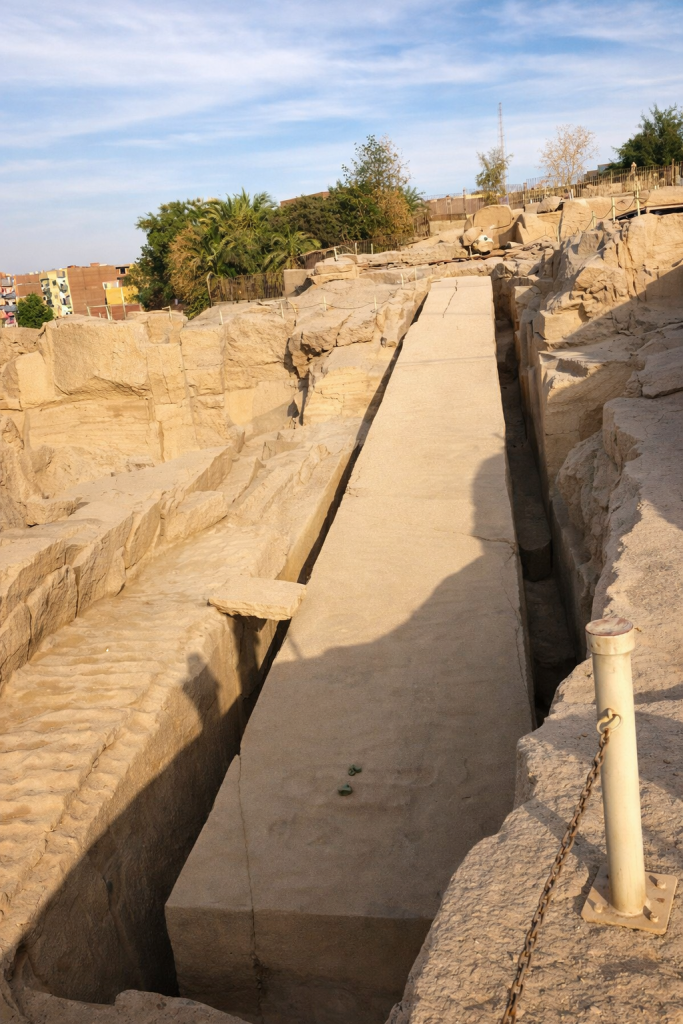
The most dramatic feature of the Unfinished Obelisk is the massive crack running through its body. While carving it out of the bedrock, workers discovered a structural flaw in the granite.
This crack made the obelisk unstable. If completed and transported, it could have shattered under its own immense weight. Rather than risk catastrophe, the workers abandoned it.
A Rare Glimpse Into Ancient Failure
Ancient Egyptian monuments often represent perfection and power. The Unfinished Obelisk, however, reveals something different — a moment of human limitation.
It shows us that even the greatest civilizations faced engineering challenges and setbacks.
How Did Ancient Egyptians Carve the Obelisk?
Using Dolerite Hammerstones
One of the most astonishing facts about the Unfinished Obelisk is how it was carved. The ancient Egyptians used dolerite hammerstones — extremely hard stones — to pound and shape the granite.
Visitors can still see hundreds of pounding marks on the surface today.
Carving From the Top Down
The obelisk was carved directly out of solid bedrock. Workers first outlined its shape, then chiseled around it, slowly separating it from the surrounding stone.
The bottom was the final section to be detached. Unfortunately, the crack was discovered before that step could be completed.
The Engineering Marvel Behind Ancient Obelisks
The Unfinished Obelisk helps historians understand how other obelisks across Egypt were created and transported.
After carving, obelisks would have been:
- Lifted using ramps and wooden sledges
- Transported to the Nile River
- Floated on large barges
- Erected at temple entrances
The logistics required were extraordinary. Moving a 1,000+ ton stone without modern machinery remains one of history’s greatest engineering achievements.
The Symbolism of Obelisks in Ancient Egypt
Obelisks were not just decorative monuments. They had deep religious and political meaning.
- They symbolized the sun god Ra
- They represented a ray of sunlight turned into stone
- They demonstrated the pharaoh’s divine power
Placed at temple entrances, obelisks reinforced the connection between the ruler and the gods.
Visiting the Unfinished Obelisk Today
Today, the Unfinished Obelisk site is one of Aswan’s top attractions.
Visitors can:
- Walk around the giant stone
- See the crack that stopped construction
- Observe ancient tool marks
- Learn about quarrying techniques
The site offers a unique educational experience because it shows the “behind-the-scenes” process of ancient construction.
Why the Unfinished Obelisk Is So Important for Archaeology
The Unfinished Obelisk is not just a failed monument — it is a priceless archaeological laboratory.
It teaches us:
- How granite was quarried
- What tools were used
- How ancient labor was organized
- How engineers responded to structural issues
Without this site, much of our knowledge about obelisk construction would remain theoretical.
Comparing the Unfinished Obelisk to Other Egyptian Obelisks
Many completed obelisks were transported across the world.
Some now stand in:
- Rome
- Paris
- London
- Istanbul
However, none are as large as the Unfinished Obelisk would have been. Its size makes it a symbol of extraordinary ambition.
Photography and Travel Tips
If you are planning to visit:
- Go early morning to avoid heat
- Wear comfortable shoes
- Bring water
- Combine it with Philae Temple or Nubian Museum
The lighting in the morning makes the granite glow beautifully, offering stunning photography opportunities.
The Legacy of the Unfinished Obelisk
The Unfinished Obelisk reminds us that history is not only about success. It is also about effort, risk, and human ambition.
Its silent presence in the quarry tells a powerful story:
Even the greatest civilizations sometimes stop mid-dream.
And in that pause, we learn the most.
The Unfinished Obelisk in Aswan stands as one of the most extraordinary archaeological discoveries in Egypt, offering a rare and powerful insight into ancient Egyptian engineering.
Unlike other obelisks that were successfully transported and erected in grand temples, the Unfinished Obelisk in Aswan remains embedded in the granite quarry where it was carved more than 3,000 years ago. Its massive size and visible crack reveal both the ambition and challenges faced by ancient builders.
Today, the Unfinished Obelisk in Aswan serves as an open-air museum, allowing visitors to witness the original tool marks and understand how these monumental structures were created with remarkable precision and skill.
The Unfinished Obelisk in Aswan stands as one of the most extraordinary archaeological discoveries in Egypt, offering a rare and powerful insight into ancient Egyptian engineering.
The Unfinished Obelisk in Aswan is more than just a massive block of stone; it is a silent witness to the brilliance and ambition of ancient Egypt.
If completed, the Unfinished Obelisk in Aswan would have been the largest obelisk ever erected, weighing over a thousand tons.
The visible crack that stopped its construction transformed it from a royal monument into one of the most valuable archaeological classrooms in the world.
Through the Unfinished Obelisk in Aswan, historians and visitors alike can clearly understand the quarrying techniques, labor organization, and engineering strategies that shaped Egypt’s most iconic monuments.
The Unfinished Obelisk in Aswan remains one of the most fascinating monuments in Egypt, capturing the attention of historians and travelers from around the world.
The Unfinished Obelisk in Aswan was carved directly from solid granite, revealing the incredible strength and precision of ancient Egyptian workers.
What makes the Unfinished Obelisk in Aswan truly remarkable is the massive crack that forced its abandonment, turning the site into a rare archaeological treasure.
Today, the Unfinished Obelisk in Aswan allows visitors to explore ancient tool marks and quarrying techniques up close.
By studying the Unfinished Obelisk in Aswan, researchers have gained valuable insight into how Egypt’s most iconic obelisks were designed, shaped, and prepared for transport.
The story of the Unfinished Obelisk in Aswan continues to inspire awe,