Introduction: A Cultural Treasure in Southern Egypt
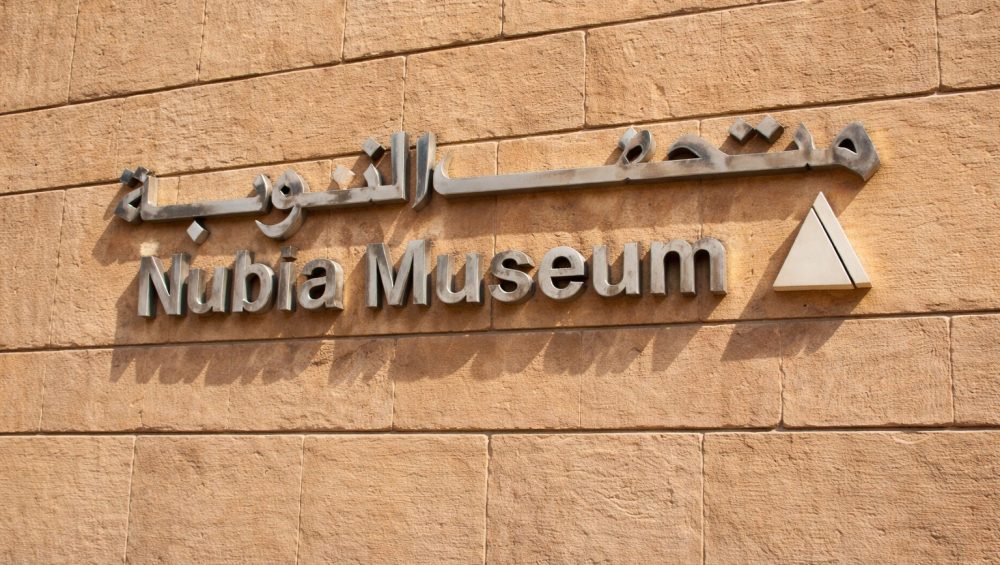
The Nubian Museum in Aswan stands as one of Egypt’s most important cultural and historical institutions, celebrating the ancient heritage and rich traditions of the Nubian people. Located on a scenic terrace overlooking the Nile River in Aswan, this museum tells a compelling story of centuries of Nubian civilization, its art, daily life, architecture, and spiritual beliefs. Visitors to the Nubian Museum in Aswan experience not only archaeological discoveries but also an inspiring journey into Africa’s deep historical roots. The museum’s comprehensive exhibits, interactive displays, and extensive artifact collections make it a must‑visit destination for historians, tourists, students, and culture enthusiasts from around the world.
History of the Nubian Museum in Aswan
Origins and Vision
The Nubian Museum in Aswan was established as part of a national effort to preserve the cultural legacy of Nubia following the construction of the Aswan High Dam, which resulted in the relocation of several ancient sites. Its foundation was driven by a collaboration between the Egyptian government and international organizations, with the goal of safeguarding Nubian heritage before it was lost to rising water levels of Lake Nasser.
Designed to be more than a typical museum, the Nubian Museum in Aswan was conceived as a cultural bridge connecting ancient Nubian traditions with the broader narrative of Egyptian and African history. It reflects Nubia’s historical connections to ancient Egyptian civilization, trade routes, and the strategic importance of the Nile Valley through millennia.
Opening and Development
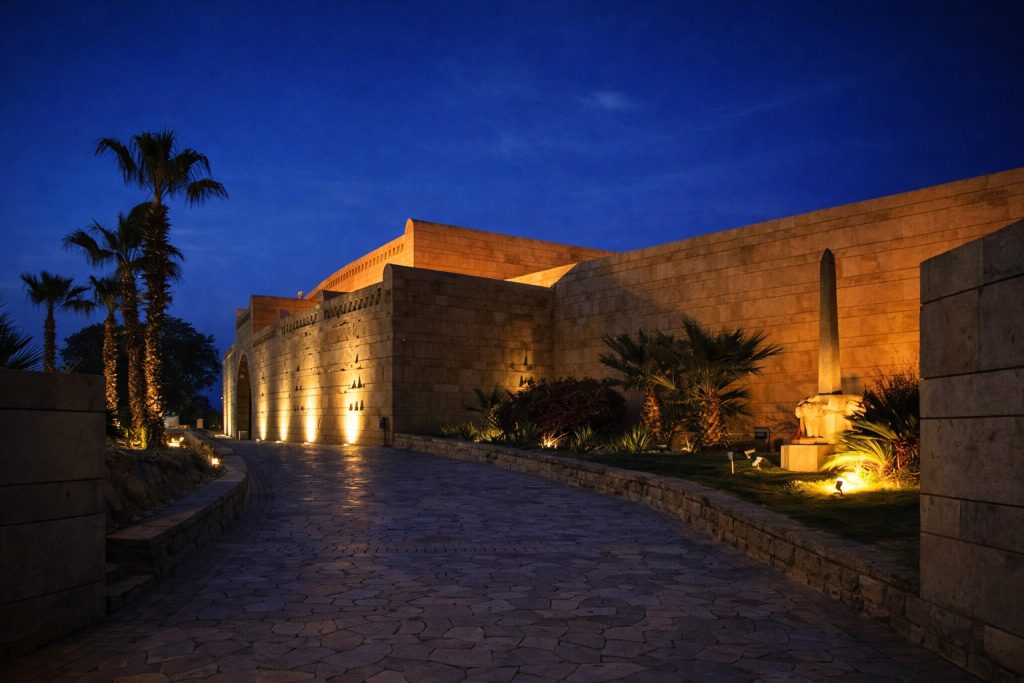
The museum officially opened its doors in the late 1990s, marking a significant moment in Egypt’s cultural landscape. Over time, it grew into a comprehensive institution that documents Nubian history from prehistory to the present day. The architectural design of the museum blends modern aesthetics with Nubian elements, creating a space that is both educational and emotionally engaging.
Key Exhibits and Galleries
Ancient Artifacts and Monumental Collection
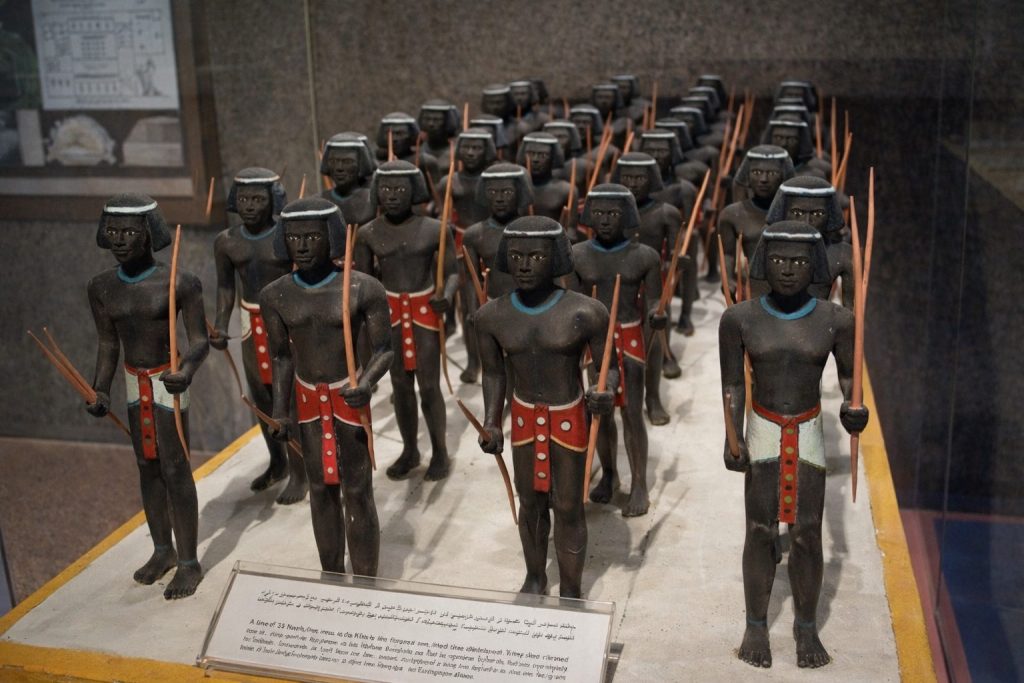
One of the most compelling aspects of the Nubian Museum in Aswan is its extensive collection of ancient artifacts recovered from excavations across Nubia. These objects provide an invaluable glimpse into daily life, artistic expression, religious practices, and royal traditions of Nubian civilizations that thrived along the Nile.
Visitors can admire items such as:
- Pottery and ceramics decorated with Nubian motifs
- Jewelry and personal adornments showcasing metallurgy skills
- Tools and everyday objects used by Nubian families
- Ceremonial masks and religious artifacts used in sacred rituals
These displays highlight the advanced craftsmanship and cultural sophistication of Nubian societies long before the rise of many classical civilizations.
Galleries Dedicated to Kingdoms and Dynasties
The Nubian Museum in Aswan arranges its exhibits chronologically to guide visitors through the major historical phases of Nubian history. This includes displays related to:
- Kerma Culture (circa 2500–1500 BCE) – one of the earliest complex societies in Nubia
- Napatan and Meroitic Kingdoms (circa 800 BCE–350 CE) – periods of strong political power and unique artistic styles
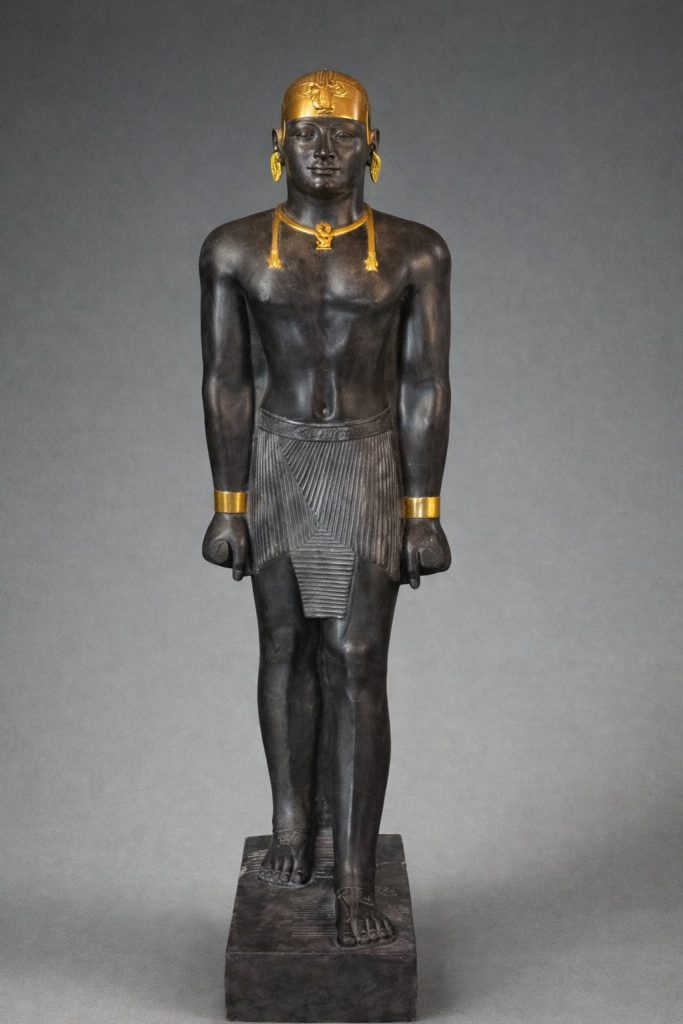
- Influence of ancient Egypt and Kushite rulership – including the era when Nubian kings ruled parts of Egypt during the 25th Dynasty
Each gallery offers contextual information, vivid visuals, and rarely seen artifacts that deepen understanding of how Nubian culture interwove with the ancient Nile civilization.
Cultural Displays and Interactive Experiences
Life in a Nubian Village
The Nubian Museum in Aswan provides immersive recreations of traditional Nubian village life, complete with authentic household objects, clothing, architectural models, and storytelling elements. Visitors can step into:
- Family spaces that depict daily routines
- Traditional Nubian homes with colorful patterns and unique layouts
- Demonstrations of local crafts and weaving techniques
These reconstructions help visitors appreciate the human side of history — how Nubian families lived, worked, and thrived in harmony with the Nile and desert environment.
Music, Dance, and Intangible Heritage
Nubian culture is known for its vibrant music, dance, and oral traditions. The Nubian Museum in Aswan integrates audio‑visual displays that bring these traditions to life, including:
- Traditional Nubian songs and rhythms
- Dance demonstrations
- Oral histories shared by Nubian elders
These interactive elements create a multi‑sensory experience that goes beyond silent artifacts, inviting visitors to feel the soul of Nubia.
Education, Research, and Global Significance
Museum as a Learning Center
The Nubian Museum in Aswan plays a major role as an educational hub. Schools, universities, and research institutions use the museum as a resource for:
- Archaeological research
- History and anthropology studies
- Cultural preservation initiatives
Students can benefit from guided tours, workshops, and special programs designed to inspire curiosity and celebrate diversity in ancient civilizations.
International Collaborations
The museum collaborates with global partners, including UNESCO and major universities, to document Nubian heritage and promote its recognition worldwide. These efforts elevate the Nubian Museum in Aswan beyond a local attraction to a site of international academic importance.
Visitor Experience: What to Expect
Planning Your Visit
Visitors to the Nubian Museum in Aswan should plan at least 2–3 hours to fully explore its galleries. The museum is conveniently located near other heritage attractions, including:
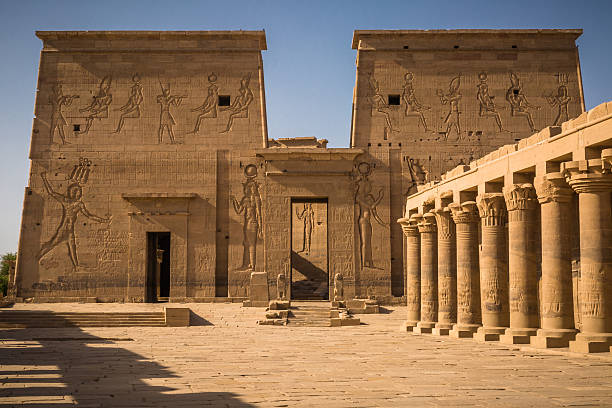
- The Philae Temple Complex
- The Unfinished Obelisk
- The Nile Corniche
Combining these sites with the museum creates a rich cultural itinerary for tourists.
Guided Tours and Audio Assistance
For in‑depth understanding, many visitors choose guided tours that provide historical context and storytelling. Audio guides in multiple languages help non‑Arabic speakers enjoy the exhibits fully.
Museum Facilities
The Nubian Museum in Aswan offers modern facilities, including:
- Educational theaters
- Gift shops with local crafts
- Cafés overlooking the Nile
- Accessibility services for all visitors
These services make the museum experience comfortable and enriching.
Behind the Scenes: Conservation and Preservation
Artifact Restoration Labs
The Nubian Museum in Aswan houses advanced restoration labs where experts conserve fragile relics recovered from archaeological digs. These restoration efforts ensure that priceless Nubian treasures are preserved for future generations.
Digital Archives
With growing interest in digital conservation, the museum maintains extensive archives that include:
- High‑resolution images of artifacts
- Virtual tours
- Online educational resources
These digital assets extend the museum’s reach to global audiences unable to travel to Egypt.
Why the Nubian Museum in Aswan Matters
The value of the Nubian Museum in Aswan goes far beyond its physical galleries. It represents:
- A tribute to Nubian history and identity
- Preservation of ancient African heritage
- A leading destination for cultural tourism in Egypt
- A research center for scholars worldwide
- A bridge connecting ancient civilizations with modern learners
Visitors walk away with a profound respect for the innovative spirit of the Nubian people — a legacy that resonates long after the museum visit ends.
Conclusion: A Journey Through Time
The Nubian Museum in Aswan provides an unforgettable cultural experience, blending history, art, tradition, and community. From its historical galleries and artifact collections to its immersive cultural displays, the museum offers one of the richest storytelling journeys in Egypt. Whether you are passionate about archaeology, fascinated by ancient African civilizations, or simply seeking meaningful travel experiences, the Nubian Museum in Aswan should be at the top of your itinerary.