Tombs of the Nobles in Luxor: A Complete Travel & Historical Guide
The Tombs of the Nobles in Luxor are among the most fascinating yet underrated archaeological treasures in Egypt. While most travelers rush to the Valley of the Kings, the Tombs of the Nobles offer something even more intimate: a vivid glimpse into the daily life, careers, and personal ambitions of ancient Egyptian officials.
Located on the West Bank of Luxor near the Valley of the Queens and Deir el-Medina, the Tombs of the Nobles in Luxor contain more than 400 tombs carved into the cliffs of Sheikh Abd el-Qurna, El-Khokha, and surrounding hills.
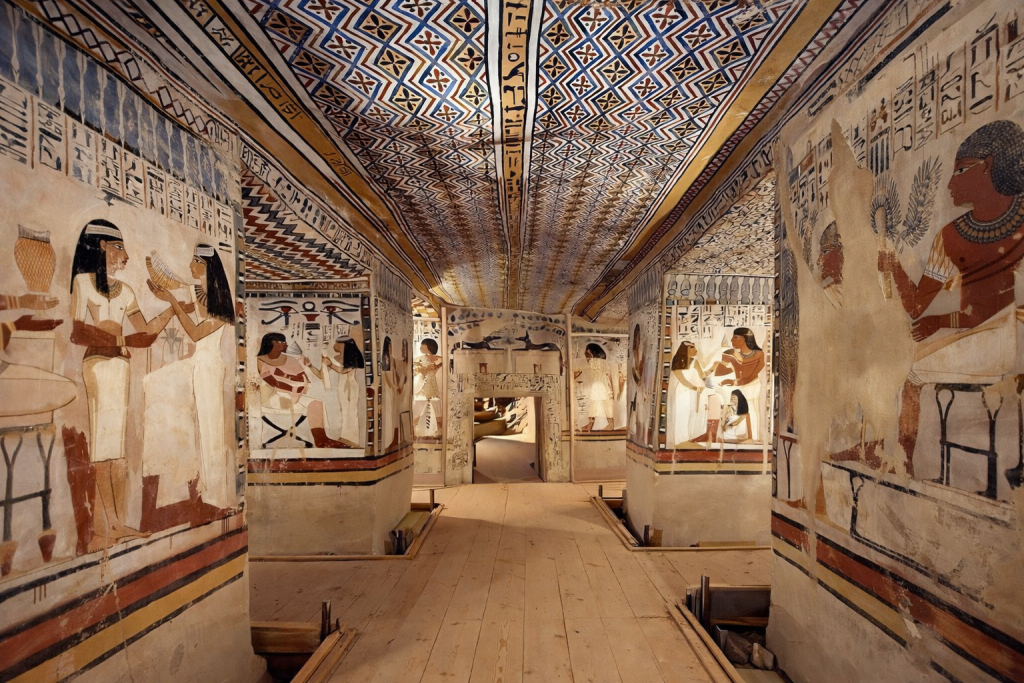
Unlike royal tombs that focus mainly on the afterlife journey, the Tombs of the Nobles in Luxor beautifully illustrate scenes of agriculture, banquets, craftsmanship, religious rituals, and family life.
What Are the Tombs of the Nobles in Luxor?
The Tombs of the Nobles in Luxor are burial places of high-ranking officials, governors, priests, scribes, and administrators who served during the New Kingdom period (1550–1070 BC).
These individuals were not kings—but they were powerful figures who worked closely with pharaohs. Their tombs reflect their social status, achievements, and devotion to the gods.
Why They Are Different from Royal Tombs
Unlike the Valley of the Kings:
- Royal tombs focus on sacred texts like the Book of the Dead.
- Noble tombs show real-life daily activities.
- Decorations emphasize personal success and family pride.
This is what makes the Tombs of the Nobles in Luxor historically priceless—they show how ancient Egyptian society actually functioned.
Location of the Tombs of the Nobles in Luxor
The Tombs of the Nobles in Luxor are located on the West Bank of the Nile, opposite modern Luxor city.
Main areas include:
- Sheikh Abd el-Qurna
- El-Khokha
- El-Assasif
- Dra’ Abu el-Naga
They are close to:
- Valley of the Kings
- Valley of the Queens
- Deir el-Medina
This makes them easy to include in any West Bank tour itinerary.
The Historical Importance of the Tombs of the Nobles in Luxor
The Tombs of the Nobles in Luxor provide unmatched historical documentation.
They show:
- Farming techniques
- Wine production
- Fishing and hunting
- Religious festivals
- Trade missions abroad
- Musical performances
- Banquet celebrations
These painted scenes serve as an ancient “documentary” of Egyptian civilization.
Most Famous Tombs You Should Visit
There are hundreds of tombs, but only selected ones are open to visitors.
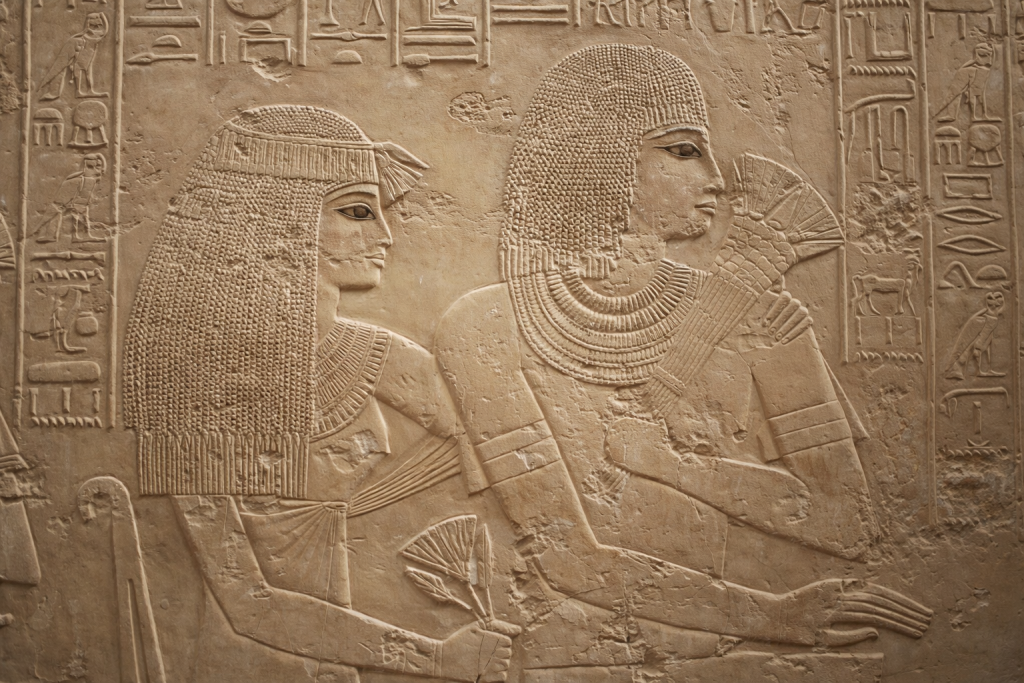
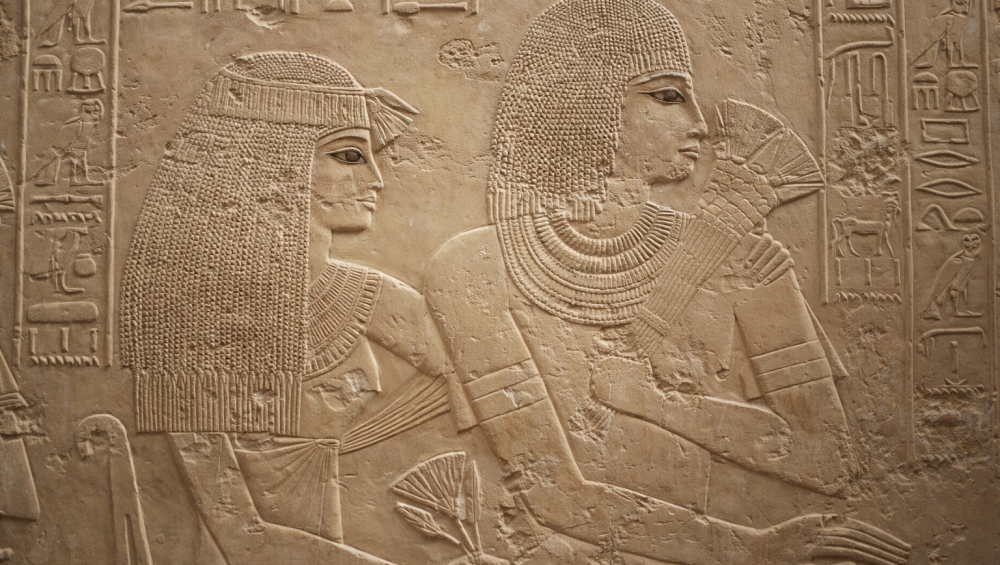
Tomb of Ramose (TT55)
One of the most impressive tombs in the Tombs of the Nobles in Luxor.
- Dates to the reign of Amenhotep III and Akhenaten.
- Shows a transition in art style.
- Features finely carved reliefs instead of painted scenes.
Tomb of Rekhmire (TT100)
Rekhmire was a powerful vizier.
Scenes include:
- Tribute from foreign lands
- Administrative work
- Workshop production
- Agricultural scenes
This tomb is like an illustrated encyclopedia of New Kingdom life.
Tomb of Sennefer (TT96)
Known as the “Tomb of the Vines” because of its incredible ceiling decorated with grapevine motifs.
It is one of the most colorful tombs in the Tombs of the Nobles in Luxor.
Art and Decoration Style
The Tombs of the Nobles in Luxor are famous for:
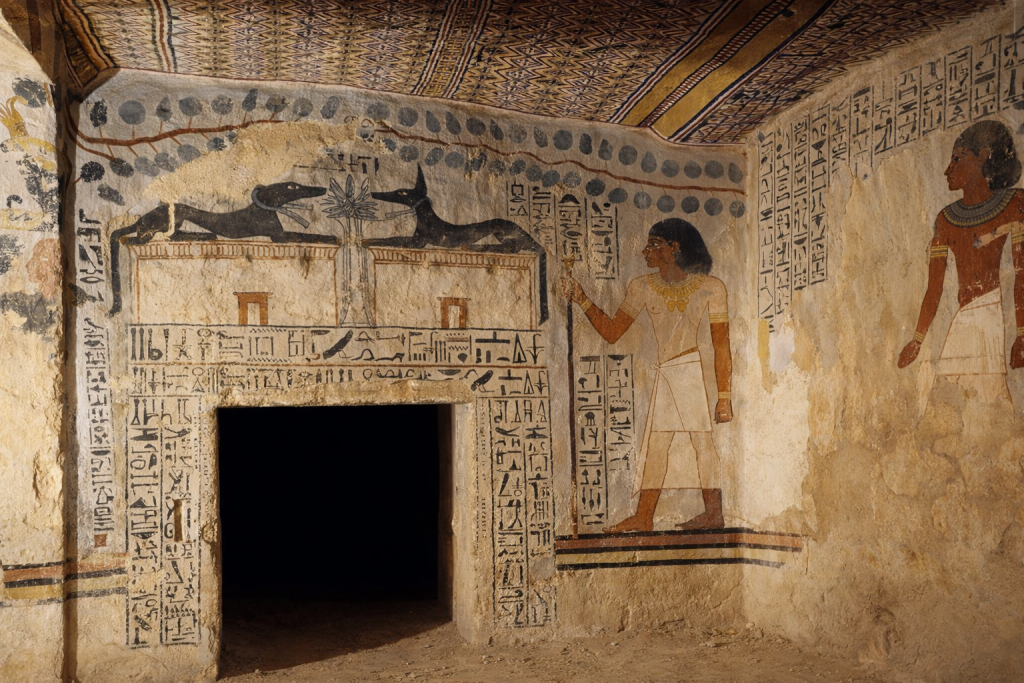
- Bright mineral pigments
- Detailed hieroglyphic inscriptions
- Naturalistic human figures
- Narrative storytelling scenes
Unlike royal tombs, noble tombs celebrate personal accomplishments.
Religious Beliefs Reflected in the Tombs
Although daily life dominates the walls, religion remains central.
Common themes include:
- Offerings to Osiris
- Judgment scenes before the gods
- Funeral processions
- The “Opening of the Mouth” ceremony
The Tombs of the Nobles in Luxor show how religion and daily life were inseparable.
Architectural Layout of the Tombs
Most tombs follow a T-shaped design:
- Open courtyard
- Transverse hall
- Long hall
- Burial chamber
The Tombs of the Nobles in Luxor were carved directly into limestone cliffs, providing natural protection.
Why the Tombs of the Nobles in Luxor Are Less Crowded
One of the biggest advantages of visiting the Tombs of the Nobles in Luxor is the peaceful atmosphere.
Reasons:
- Not heavily marketed
- Smaller tourist groups
- No massive tour bus traffic
- Less commercialized
Visitors can explore quietly and appreciate the art closely.
Tickets and Visiting Information
- Located on Luxor West Bank
- Tickets sold at West Bank ticket office
- Usually grouped in sets (3 tombs per ticket)
- Best time to visit: Early morning (October–April)
Photography policies may vary.
Best Time to Visit the Tombs of the Nobles in Luxor
The ideal season:
- October to April (cooler weather)
- Early morning for better light
- Avoid midday summer heat
The West Bank can become extremely hot between May and September.
Travel Tips for Visitors
- Wear comfortable shoes
- Bring water
- Carry cash for tickets
- Hire a knowledgeable guide
- Combine with Deir el-Medina visit
The Tombs of the Nobles in Luxor reward curious travelers who take their time.
Archaeological Discoveries and Ongoing Research
Archaeologists continue to discover new tombs
Recent discoveries include:
- Undisturbed burial shafts
- Mummies
- Funerary equipment
- Coffins with preserved inscriptions
These findings keep rewriting Egypt’s history.
Cultural and Tourism Significance Today
contribute significantly to cultural tourism.
They offer:
- Educational value
- Authentic historical insight
- Sustainable tourism opportunities
- Less crowded alternatives to royal sites
For tour operators, promoting the Tombs of the Nobles in Luxor adds depth to any Luxor package.
Why You Should Not Miss the Tombs of the Nobles in Luxor
If you want to truly understand ancient Egyptian society,
They reveal:
- Real people
- Real careers
- Real families
- Real ambitions
They humanize ancient Egypt in a way royal monuments cannot.
Conclusion
are a hidden masterpiece of ancient Egyptian civilization. While pharaohs built monuments to display eternal power, nobles created tombs that celebrated life, work, and identity.
From vibrant agricultural scenes to international trade depictions, the Tombs of the Nobles in Luxor preserve stories that remain astonishingly fresh today.
For travelers seeking authenticity, depth, and artistic brilliance, the Tombs of the Nobles in Luxor offer an unforgettable journey into the heart of ancient Thebes.