Introduction
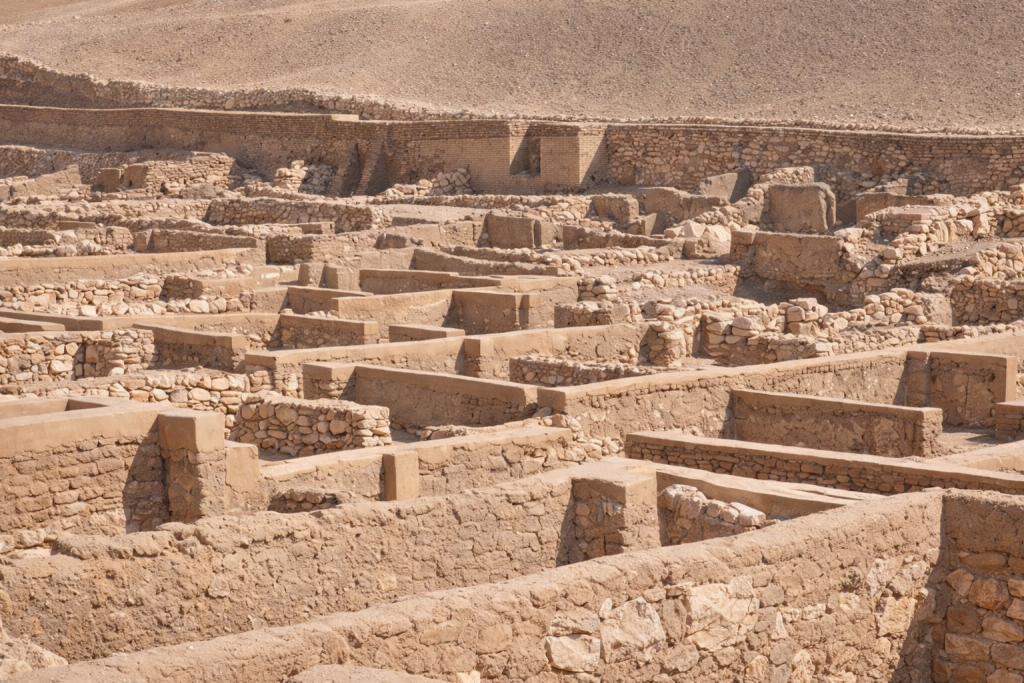
Unlike grand temples and royal tombs built for kings and queens, Deir el-Medina tells the story of ordinary yet highly skilled workers who created some of the greatest monuments in ancient history. Located on the west bank of Luxor, near the Valley of the Kings, this ancient village offers a rare and powerful glimpse into the daily life of the craftsmen who built royal tombs during the New Kingdom.
While most visitors focus on famous sites like the Valley of the Kings, Deir el-Medina quietly preserves something even more valuable: the human story behind the monuments.
What Is Deir el-Medina?
Deir el-Medina was a planned village established during the New Kingdom period (around 1550–1070 BC). It was home to the artisans, builders, painters, and scribes responsible for decorating the royal tombs in the Valley of the Kings and the Valley of the Queens.
The village was officially known in ancient times as “Set Ma’at,” meaning “The Place of Truth.” This name reflects the sacred responsibility these workers had: preparing the eternal homes of pharaohs.
The Strategic Location of Deir el-Medina
Deir el-Medina is located on the west bank of Luxor (ancient Thebes). Its position was carefully chosen:
Close to the Royal Tombs
The village sits between the Valley of the Kings and the Valley of the Queens. This made it easy for workers to travel daily to the tomb construction sites.
Isolated for Security
Because the artisans knew the secrets of royal tomb locations, they lived in a relatively enclosed and controlled community. This reduced the risk of tomb robbery.
Daily Life in Deir el-Medina
One of the most fascinating aspects of Deir el-Medina is how much we know about the daily lives of its inhabitants.
Working Conditions
Workers followed an eight-day work cycle: eight days of work followed by two days of rest. Records found on ostraca (limestone flakes used as writing material) describe attendance lists, absences, and even reasons for missing work — including illness and family issues.
Salaries and Payments
Instead of money, workers were paid in food supplies such as grain, beer, and vegetables. The village functioned like a small, organized community supported by the state.
The First Recorded Strike in History
Deir el-Medina is famous for documenting what many historians consider the first labor strike in recorded history. During the reign of Ramesses III, workers stopped working because they had not received their grain payments. They protested peacefully until the issue was resolved.
This event highlights how structured and organized this community was.
The Tombs of Deir el-Medina
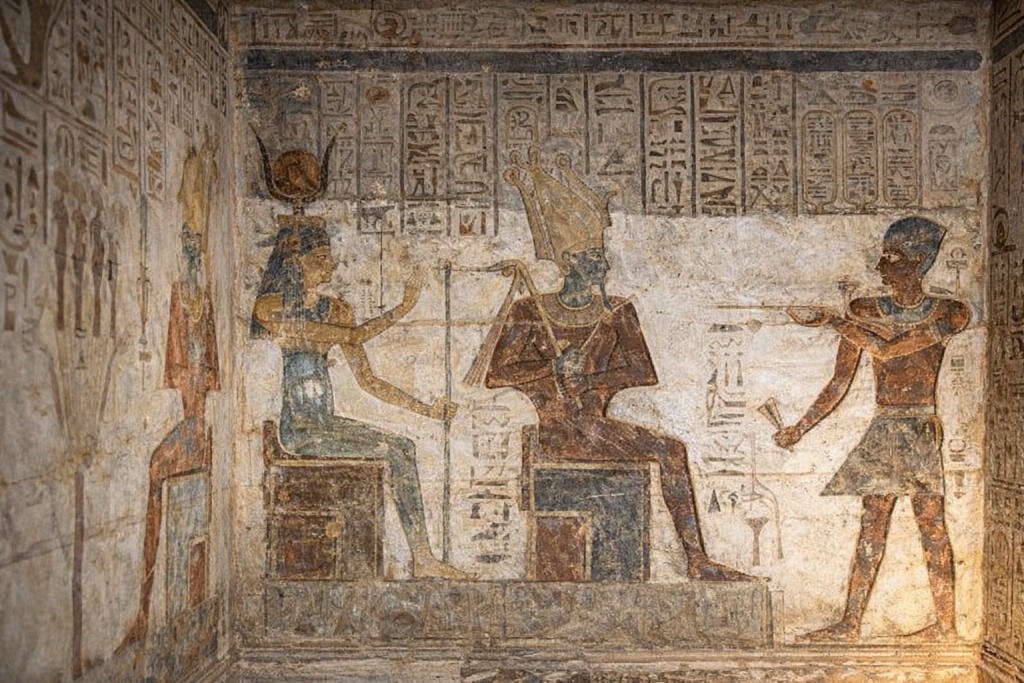
Unlike the royal tombs they decorated, the workers built their own tombs nearby — and many of them are beautifully decorated.
Artistic Excellence
The tombs at Deir el-Medina are smaller than those in the Valley of the Kings but often more detailed and vibrant. The artisans used the same techniques they applied in royal tombs.
Famous Tombs to Explore
Some of the most impressive tombs include:
- Tomb of Sennedjem
- Tomb of Inherkhau
- Tomb of Pashedu
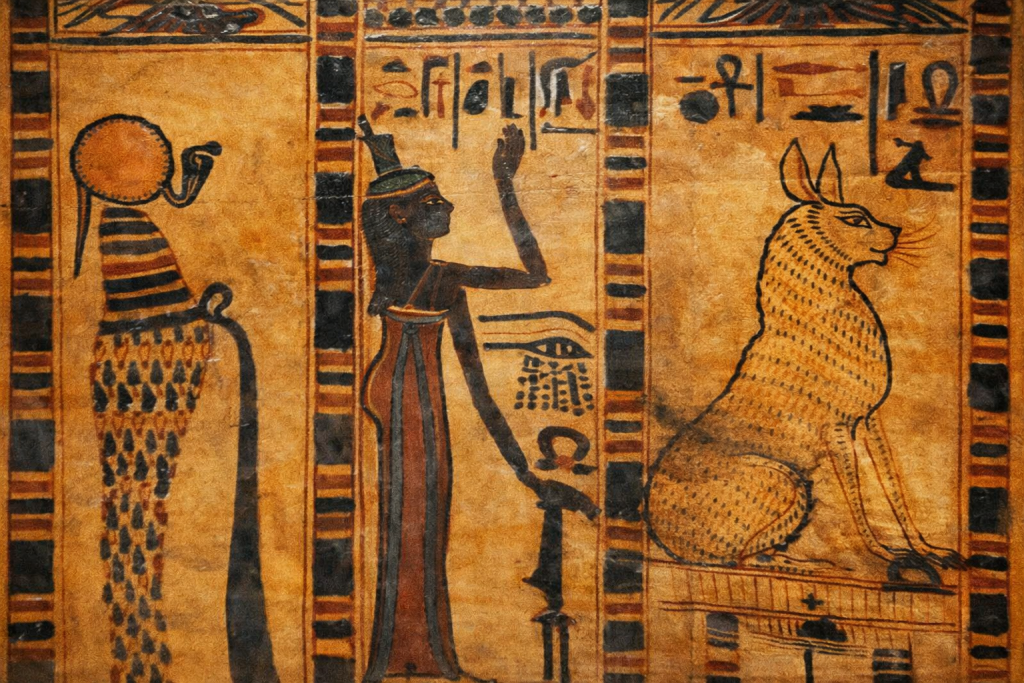
These tombs contain vivid paintings showing scenes from the Book of the Dead, daily life, and religious rituals.
Religion and Beliefs in Deir el-Medina
played a central role in the lives of the villagers.
Personal Piety
Unlike earlier periods where religion focused mainly on the king, the people of Deir el-Medina
Why Is So Important
is not just another archaeological site. It is essential for understanding:
- Ancient labor organization
- Social structure in New Kingdom Egypt
- Education and literacy
- Women’s roles in ancient society
- Early labor rights movements
Without Deir el-Medina, we would know very little about the real people behind Egypt’s monumental architecture.